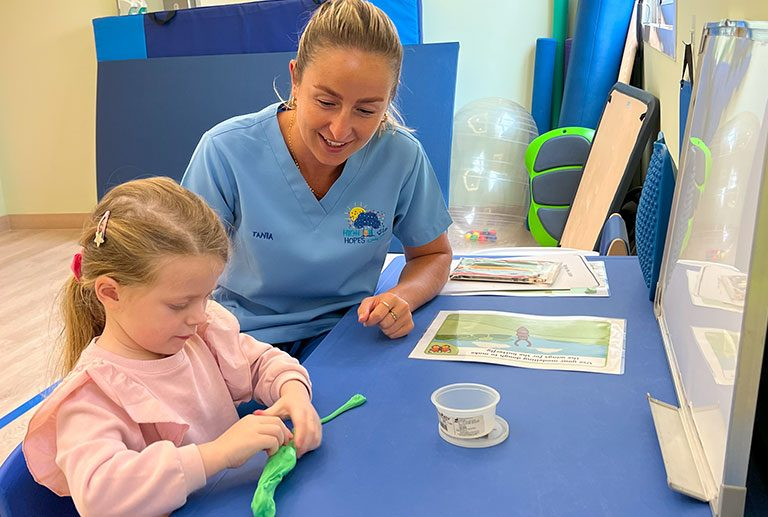
Occupational therapy helps children develop skills needed for daily activities. Parents play a key role in making therapy more effective by encouraging progress at home. Small changes in daily routines and a positive approach create a supportive environment in child occupational therapy.
Follow the therapist’s recommendations:
Therapists suggest activities that help with movement, coordination, and daily tasks. Practising these activities at home helps reinforce what the child learns during sessions. Simple exercises, games, or routines based on the therapist’s advice support steady progress.
Create a consistent routine:
A structured daily routine helps children feel comfortable and ready to practise new skills. Setting regular times for activities such as dressing, eating, or writing strengthens learning. Predictable schedules also make therapy-related tasks feel like a natural part of the day.
Encourage independence:
Allowing a child to complete small tasks on their own builds confidence. Simple activities like tying shoelaces, using utensils, or buttoning clothes help strengthen fine motor skills. Offering gentle guidance instead of doing tasks for them encourages self-reliance.
Use play-based learning:
Many therapy exercises work well when included in playtime. Games that involve movement, hand-eye coordination, or problem-solving help children develop skills in an enjoyable way. Activities like puzzles, building blocks, or drawing support different aspects of therapy.
Be patient and positive:
Progress happens at different speeds. Celebrating small improvements and staying patient helps children stay motivated. Encouraging words and a calm approach make it easier for them to stay engaged in therapy activities.
Regular discussions with the therapist help track progress and adjust activities if needed. Asking questions and sharing observations from home provides useful insights. This teamwork ensures that therapy goals match the child’s needs.
Adapt the environment:
Making small adjustments at home can support therapy goals. Simple changes such as using adaptive tools, adjusting furniture, or providing sensory-friendly spaces help children practise new skills comfortably. Creating a space that matches their needs allows for smoother progress.
Supporting a child’s occupational therapy journey involves patience, encouragement, and consistency. Following the therapist’s advice, creating a structured routine, and using play-based learning make daily activities more effective. Small efforts at home help children gain confidence and improve their skills over time.


More Stories
Five Financing Models Every Serious Developer Needs To Understand
How CNC Waterjet Cutting Machines Handle Thick Titanium Plates
How The Top AV Services Providers Deliver Crystal-Clear Audio